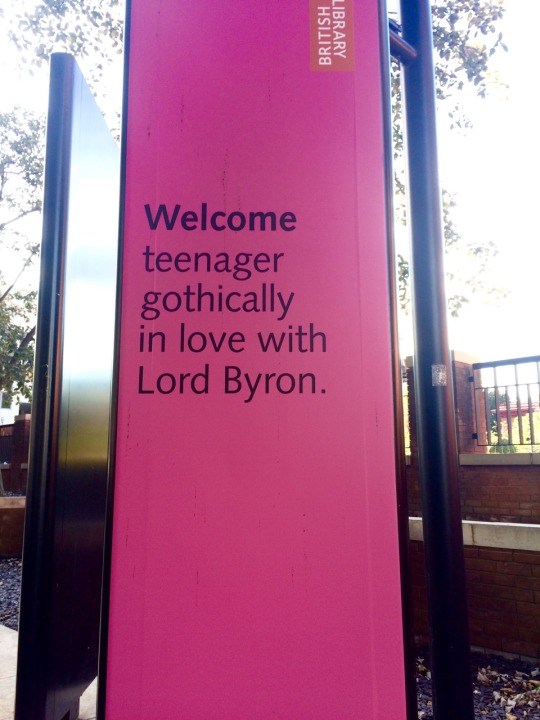
Love being brutally called out by the British Library
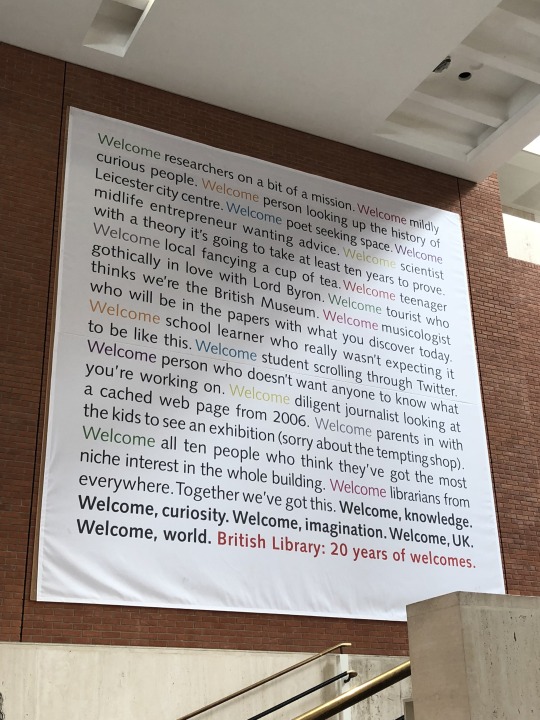
Oh my gosh I went here a few days ago do you guys want to see the whole sign
I’m covered with “Librarians from Everywhere” but as a former museums professional “Tourists who think we’re the British Museum” really speaks to me on a personal level.
I’m “all ten people who think they’ve got the most niche interest in the whole building”
How about a librarian, with bottle-cap glasses and moth-eaten sweaters? Susan comes by the public library, looking for background context on her latest article–
“I’m looking for a murder, or a scandal,” she told Agnes Jepsen (according to her name plate). “They assigned me this fluff piece, but I’m pretty sure there’s got to be something sordid and interesting in local flower garden history.”
Agnes pushed her round glasses up her nose– the glass was thick, her eyes blurry and distorted behind them. “Come with me,” she said, and dragged Susan back to a dusty old local memoir section. “I think there’s some buried skeletons in these…”
Susan had been trying for years to live here, and she was good at it– here on this ground, this apartment with these squeaky floors, this sandwich scattering crumbs all over her work desk. Eyes open, eyes up– she had been lost in worlds of fantasy before, and they had stolen bits of her when they went away. She had been lost in the plumbed depths of wardrobes, in the shriek of train whistles and the shrill ring of phone calls that asked you to come and identify your little sister’s body.
But she was here, now– she had work to do, friends to gossip with, cheap, smushed sandwiches to buy from the corner cart at lunchtime, and two books on influential journalists that Agnes had pushed on her. Eyes open, eyes up, don’t dream.
It was weeks before Susan realized she had memorized Agnes’s schedule– she was simply the best help, whether you knew precisely what you were looking for or not. And Susan found herself showing up on the library doorstep and saying, “Agnes, I’m looking for train schedules from the 1800s, London,” or “Agnes, you have anything on displaced samurai?” or “Ag, chemical proesses for distilling scotch whiskey?” or “Ag, something? Anything interesting. I’m a blank slate,” or “Ag, want to grab a drink when you get off?”
Susan had fought so hard to live here, but the thing was that Agnes didn’t, half the time. Agnes paid her bills and got her mousy hair cut with a clocklike precision every two months and saw her parents for dinner and tore into Susan’s newspaper assignments with a wide-eyed, present glee– but part of Agnes lived in historical accounts of subsistence farming in Virginia and the physics of seabird flight, or even in the shelves of children’s literature.
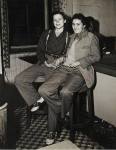
“This is one of my favorites,” Agnes told Susan once, cross-legged on a worn rug on Susan’s creaky floor. Tugging a blanket firmer around her shoulders, she turned through illustrated pages. “Other worlds, lost children. As a child, I’d turn over every green stone I found, seeing if it would send me someplace magical, like it did them. Did you ever wish things like that, when you were small?”
“No,” Susan said, tipping her head back to look at the speckled paint on the ceiling. “I read dictionaries.”
“I read dictionaries, too,” said Agnes. There were smudges in the margins of the little book, and notes written in a half dozen different pens, from a blocky child’s lettering to Agnes’s present, spidery script. “Doesn’t mean you can’t dream, too. I think that’s half the problem with schools these days– they teach kids to think, and not to dream.”
“I had an old friend who liked to say stuff like that.”
Agnes pushed her glasses up her nose. “Oh? I’d love to have a fellow grump to complain with. Are they local?”
“He died,” said Susan. She reached for her mug, but it was empty and she put it back down.
Agnes looked at her critically. “That is your answer for a depressingly large number of questions,” Agnes said. “You take this,” she said, handing her the book and wobbling to her feet in one unbalanced motion. “I’m getting you more tea, and maybe some chocolate.”
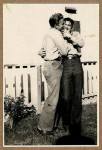
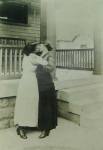
It was a Sunday, the morning light peering through the windows. Susan sat cross-legged on her worn couch, in nylons and a pale skirt with her dark hair pulled up and away from her face. She listened to Agnes putter and hum out of sight in the kitchen, and then Susan let the book in her lap fall open to the first page.
Sometimes, when you give parts of yourself away, you get something back.





















 LemonGrenade